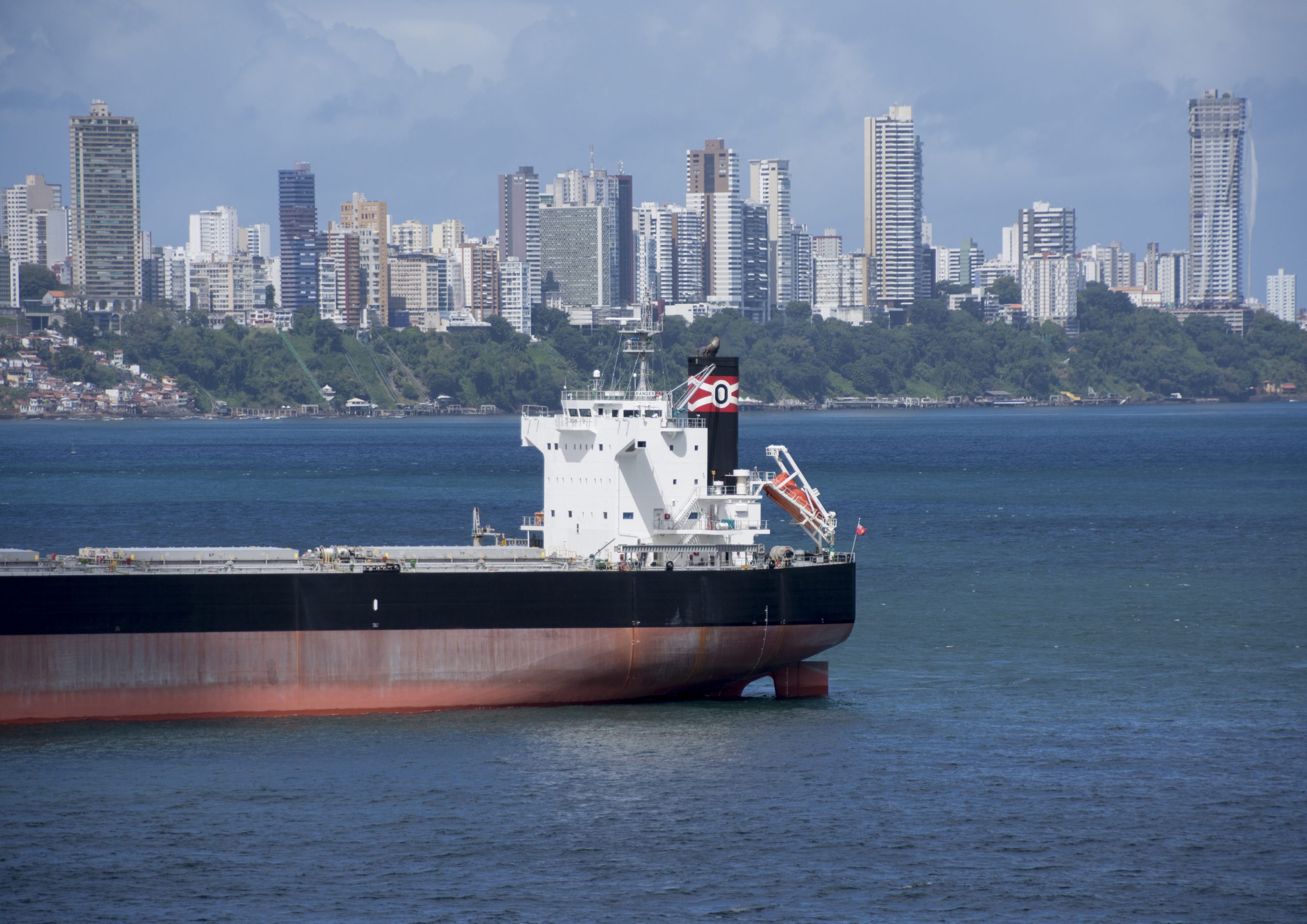
Protection & Indemnity Clubs could play a more effective role in managing stowaways on ships if they cooperated more with civil society to improve humanitarian outcomes.
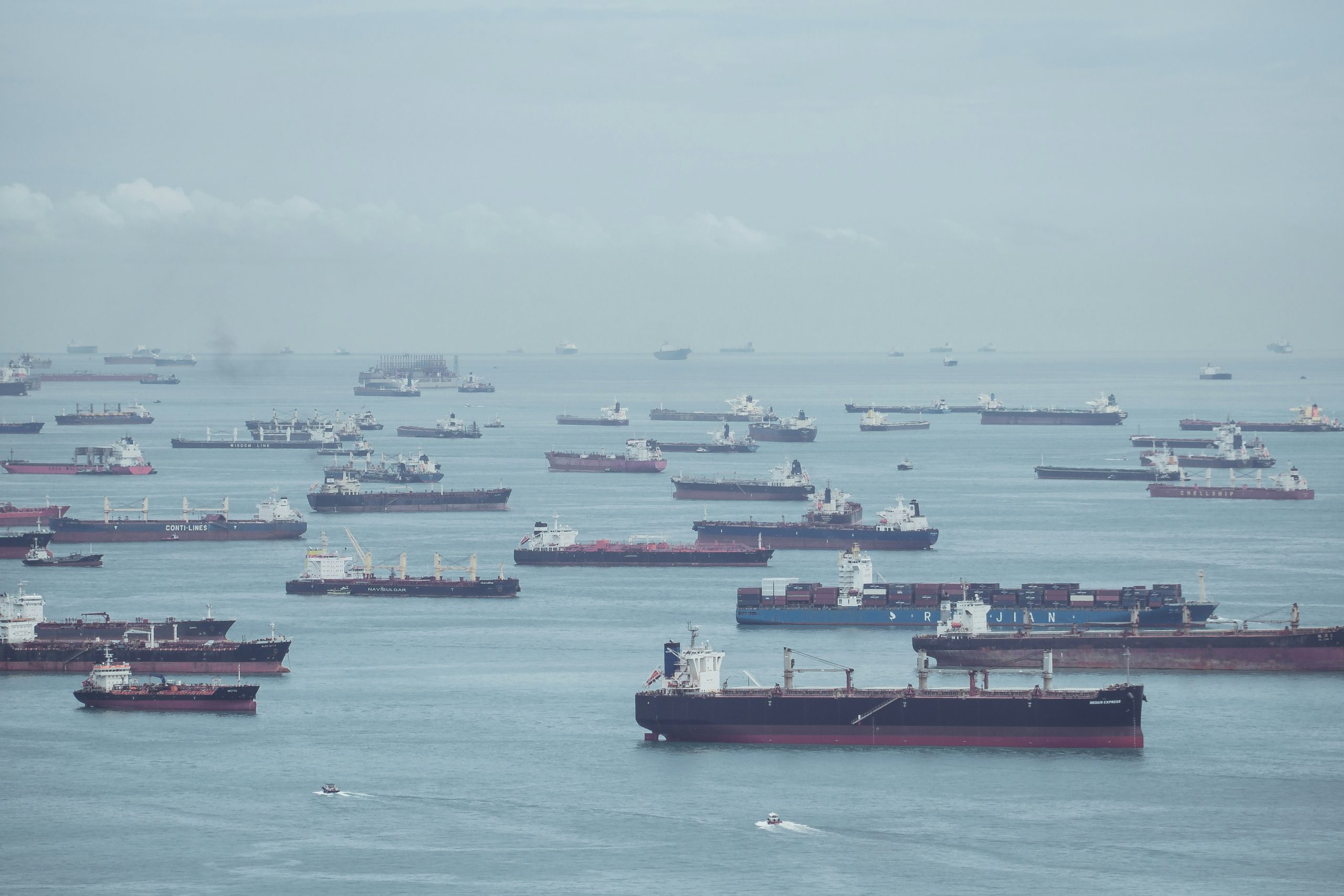
Maritime migrants navigate the world’s busiest shipping lanes alongside thousands of commercial vessels. Commercial shipping is an important but overlooked partner in mass rescue and migration policy, from issues of data collection to rescue operations.
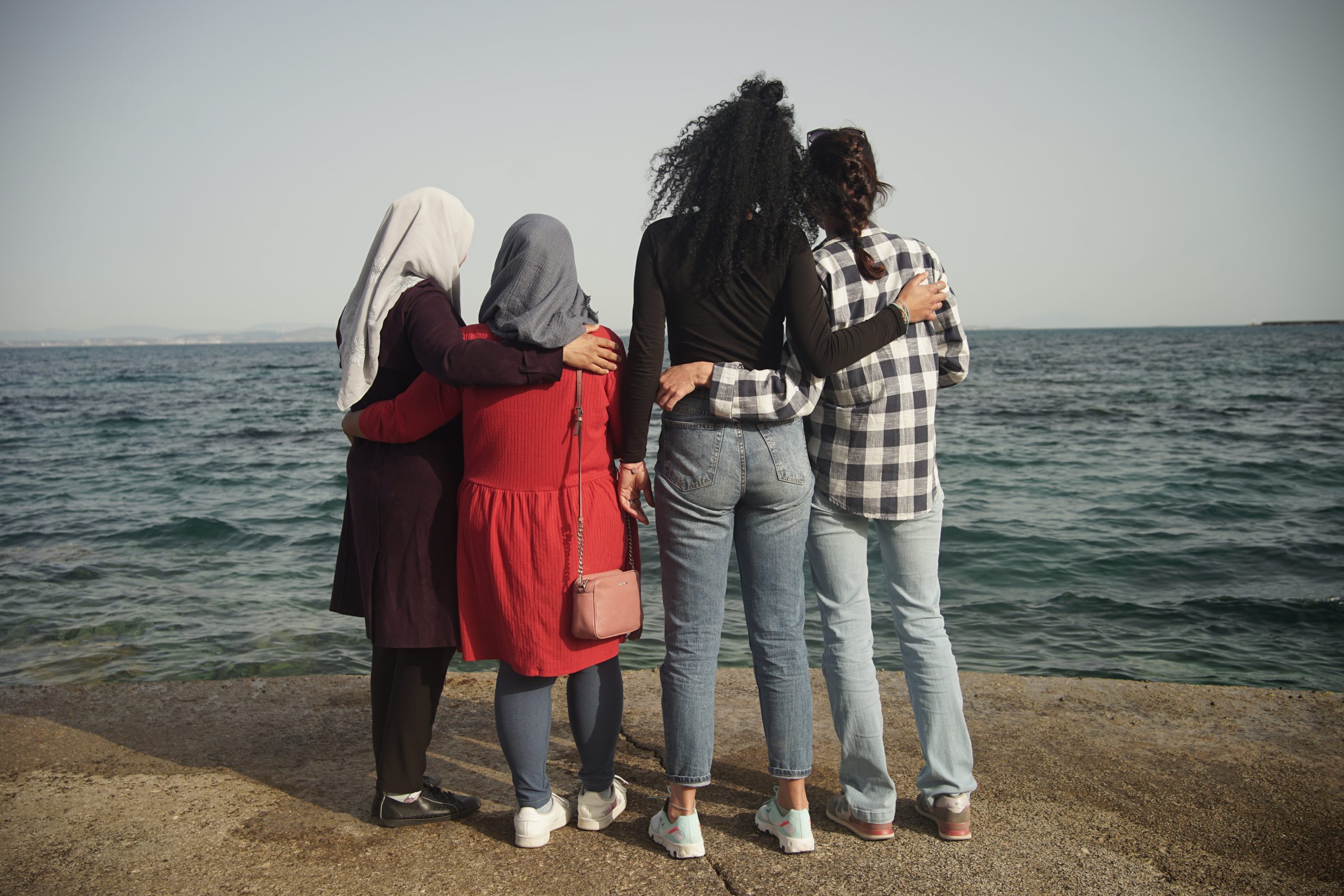
Heightened border security and the fear it instils are increasingly prompting asylum seekers to hide from authorities on arrival in Greece, with sometimes tragic consequences. Fostering trust is enabling an NGO to help.
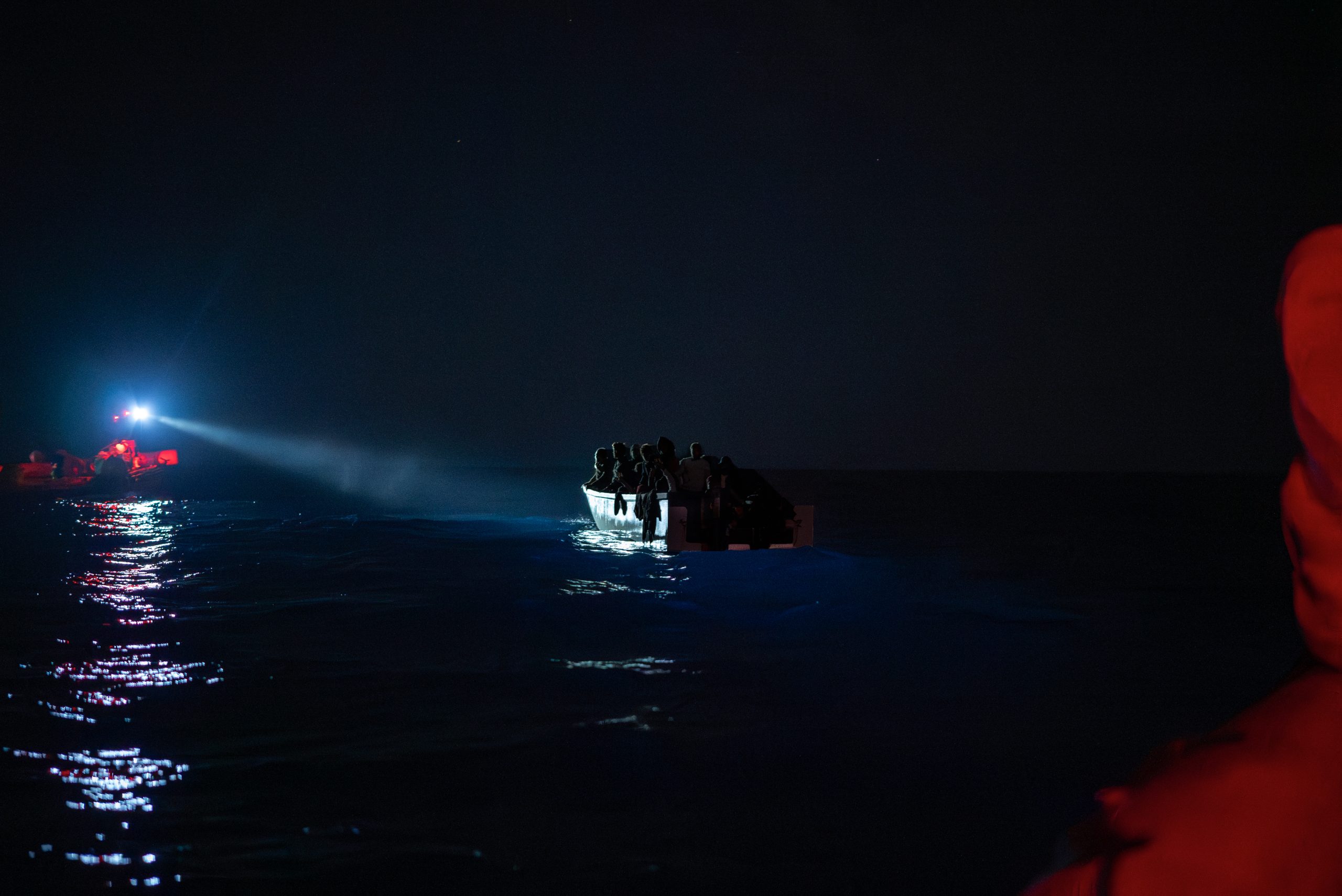
A joint operation on the Ocean Viking seeks to save lives and protect the rights of migrants and refugees. But the regulatory challenges it faces highlight the need for a more conducive environment for humanitarian action.
States increasingly rely on bureaucratic measures to obstruct search and rescue, marking an evolution in the criminalisation of solidarity. This threatens humanitarian efforts, contravenes international obligations and places greater burdens on commercial shipping.
The disturbing number of deaths and disappearances at the Afghanistan-Iran border could be reduced through better international responsibility-sharing, holding Iran accountable for its immigration policies, and enhancing humanitarian services at the border.
Migrants travelling the Western Balkans route are subject to a multitude of risks. The EU and their partners in the region have a shared responsibility to protect those in vulnerable situations.
In December 2024, countries in Latin America and the Caribbean approved an update to the Cartagena Process, their regional framework for refugee protection. However, the new deal lacks concrete cooperation measures to address dangerous journeys.
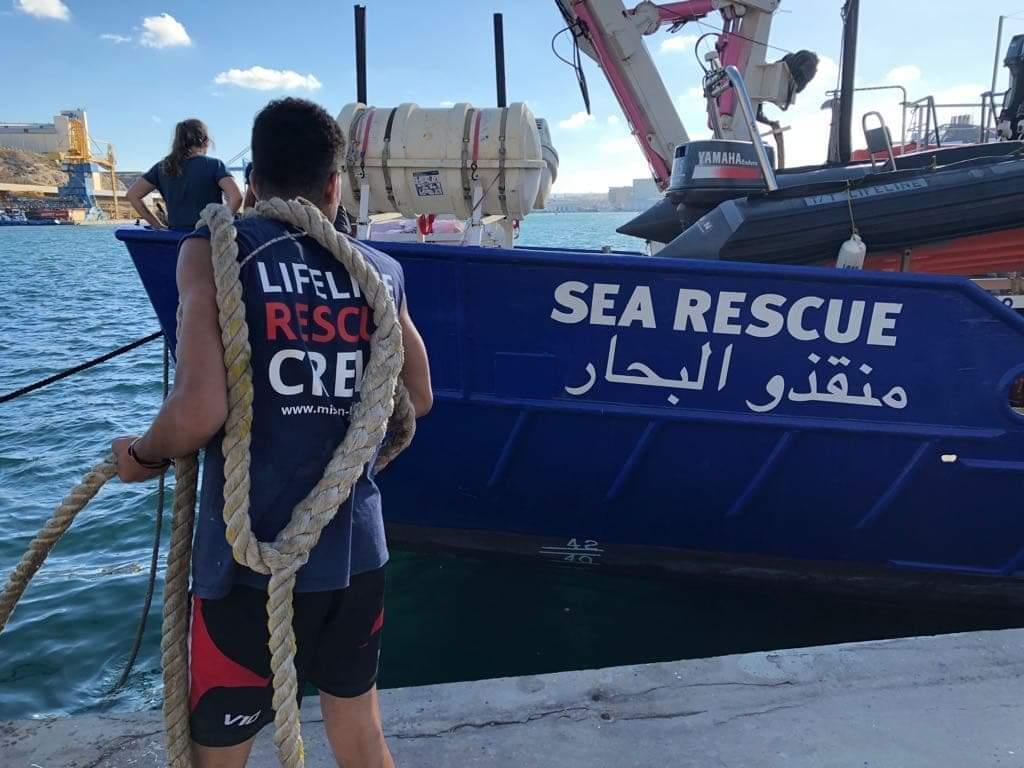
In the Central Mediterranean, humanitarian rescue crews working to save lives do so under policies that make rescue a costly and potentially criminal act.
Protection activities on board the Ocean Viking respond to a wide range of needs. Based on a survivor-centred approach, these activities aim to promote safety, dignity and humanity.