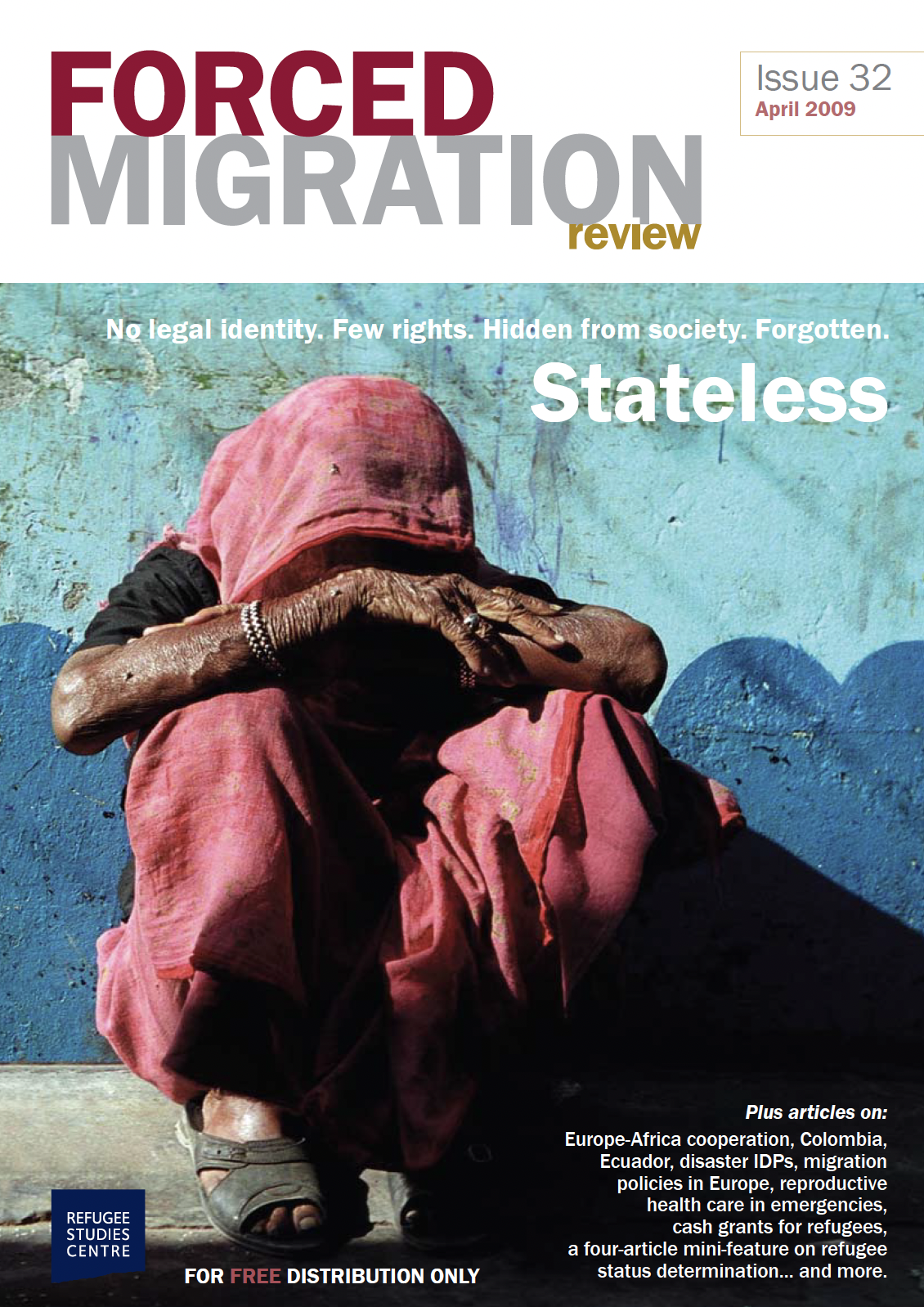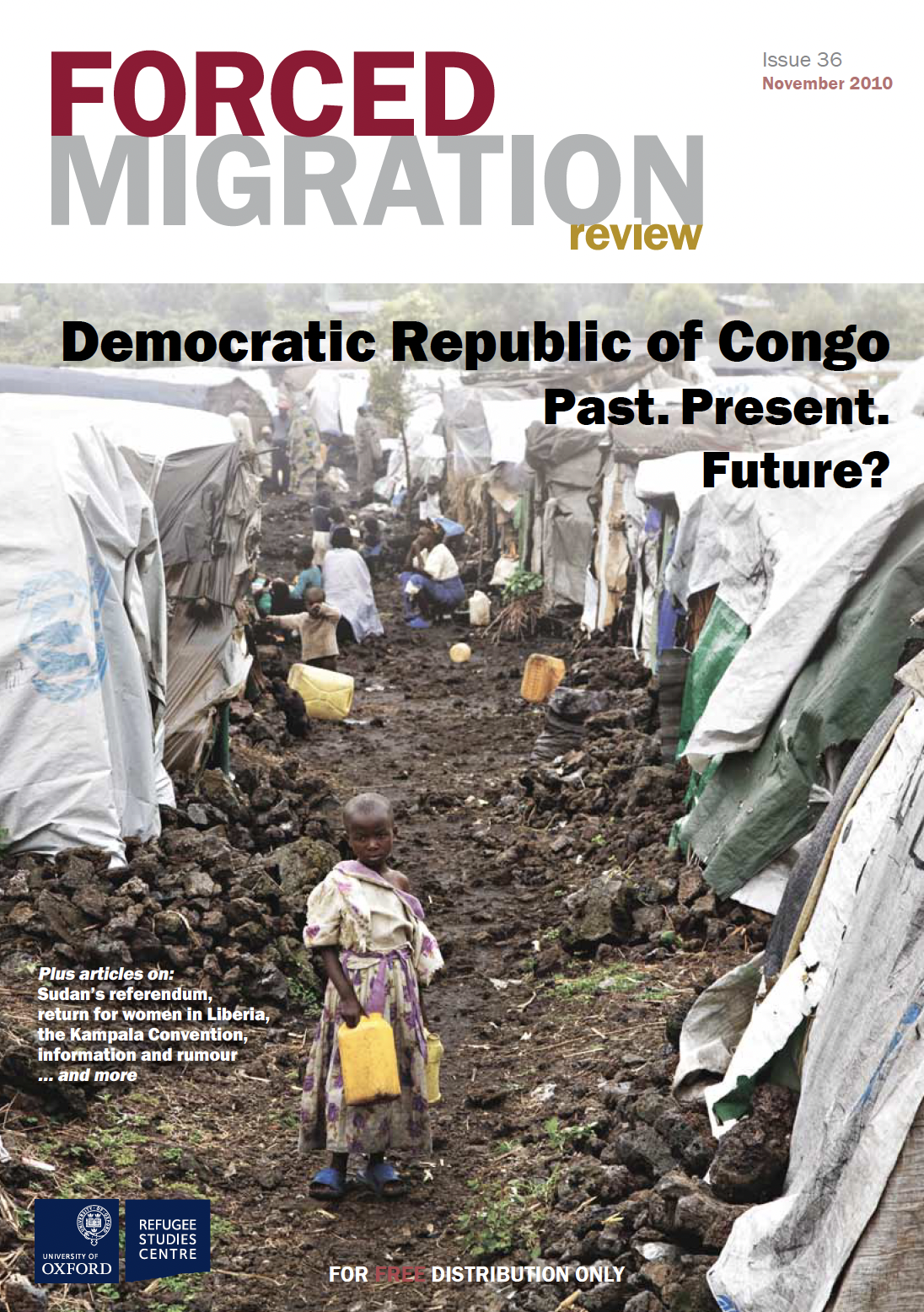
HIV/AIDS, security and conflict: What do we know? Where do we go from here?
The articles in this collection together with the findings from the AIDS, Security and Conflict Initiative (ASCI) consolidate a growing body of social science, public health, policy and operational research that challenges earlier assumptions about the interactive effects of HIV/AIDS and insecurity. Contributing authors draw attention to the social factors associated with forced displacement and migration and their central role in shaping HIV exposure risks.
From the Editors
The striking fact that for the first time in human history there are now more people living in towns and cities than outside them is not in itself a reason for FMR to be covering urban displacement. Behind that fact,…
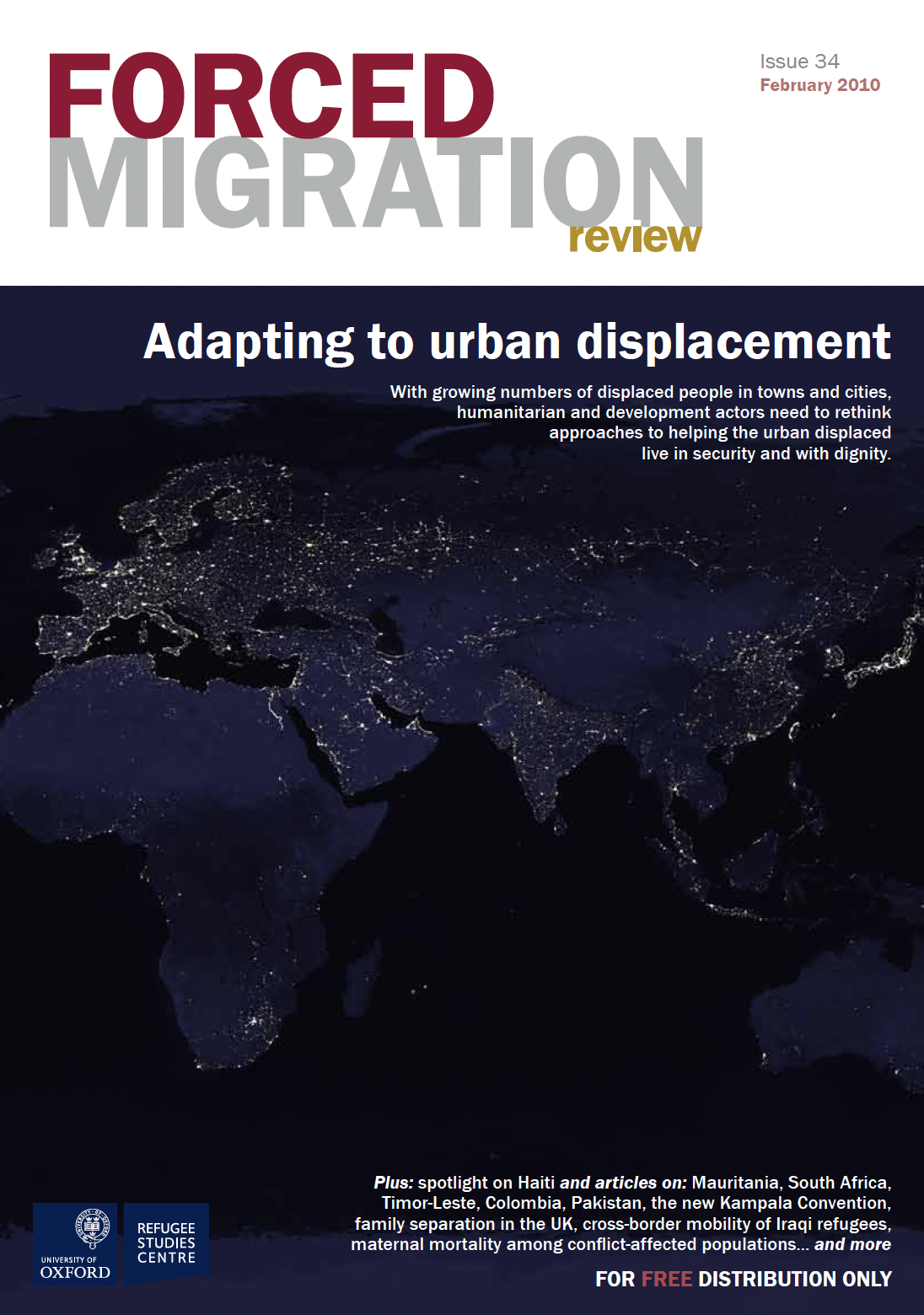
From the Editors
Some two-thirds of displaced people in the world today are not in classic emergency situations but are trapped in protracted displacement – situations characterised by long periods of exile and separation from home. When people remain displaced for a long…
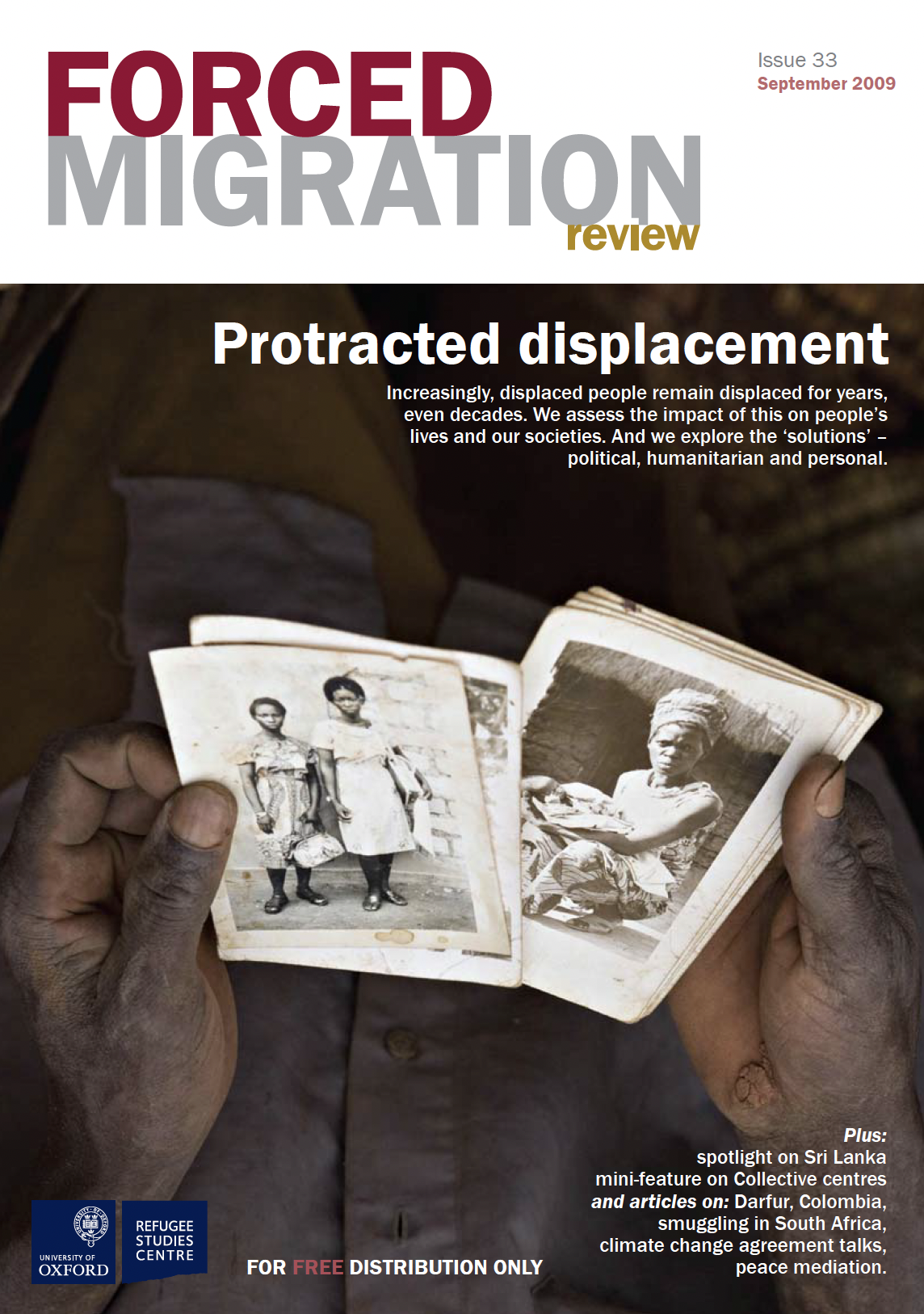
From the Editors
A ‘stateless person’ is someone who is not recognised as a national by any state. They therefore have no nationality or citizenship (terms used interchangeably in this issue) and are unprotected by national legislation, leaving them vulnerable in ways that…